Skip to content

Steel selection affects how industrial components are manufactured, finished and used. However, when comparing hot rolled vs cold rolled steel, the decision involves more than surface appearance or price. Material properties, dimensional tolerances, manufacturing processes and operating conditions all influence the right choice.
For industrial products such as flanges, pipe fittings, piping spools and fabricated vessels, understanding these differences helps engineers and procurement teams make informed material decisions.
What Is Hot Rolled Steel?
Hot rolled steel is produced by heating steel above its recrystallisation temperature and passing it through rollers to achieve the required thickness or shape. The elevated temperature makes the material easier to deform and allows manufacturers to produce plates, sheets, bars and structural sections efficiently.
As the steel cools, dimensional changes can occur, and the surface typically develops mill scale. Hot-rolled products generally have wider dimensional tolerances than comparable cold-rolled products.
Hot rolled steel is commonly used in structural applications, industrial fabrication, plates and components that require further forming or machining.
What Is Cold Rolled Steel?
Cold rolled steel is produced by further reducing previously rolled steel at or near room temperature. This process improves surface finish and dimensional accuracy while generally increasing strength and hardness through strain hardening.
Cold rolled steel is frequently used for precision sheet-metal components, panels, enclosures and applications where consistent thickness and a smoother finish are important.
However, cold rolling does not automatically make steel suitable for higher-pressure or higher-temperature service. Suitability depends on the material grade, mechanical properties, manufacturing condition and applicable specifications.
Hot Rolled vs Cold Rolled Steel: Key Differences
| Property | Hot Rolled Steel | Cold Rolled Steel |
| Processing | Above recrystallisation temperature | Usually near room temperature |
| Surface finish | Generally rougher, with mill scale | Generally smoother |
| Dimensional accuracy | Wider tolerances | Tighter tolerances |
| Strength and hardness | Depend on grade and condition | Often increased through cold working |
| Ductility | Depends on material condition | May decrease through strain hardening |
| Common applications | Plates, bars and structural sections | Precision sheets and formed components |
These are general characteristics. Steel composition, heat treatment, thickness and subsequent processing can significantly affect the final properties.
How Do Hot And Cold Rolling Processes Differ?
Hot Rolling
Steel is heated and passed through rollers until it reaches the required dimensions. After rolling, it cools and may undergo cutting, descaling or additional processing. The method is suitable for producing large sections and substantial material reductions.
Cold Rolling
Previously rolled steel passes through additional rollers without being reheated above its recrystallisation temperature. This improves dimensional consistency and surface quality. Annealing or other treatments may follow, depending on the required properties.
Rolling is only one stage of manufacturing. Forging, machining, bending and welding are separate processes used to produce finished industrial components.
Which Process Is Used For Industrial Pipe Components?
The difference between cold rolled and hot rolled steel becomes more meaningful when considered alongside the manufacturing method used for the finished product.
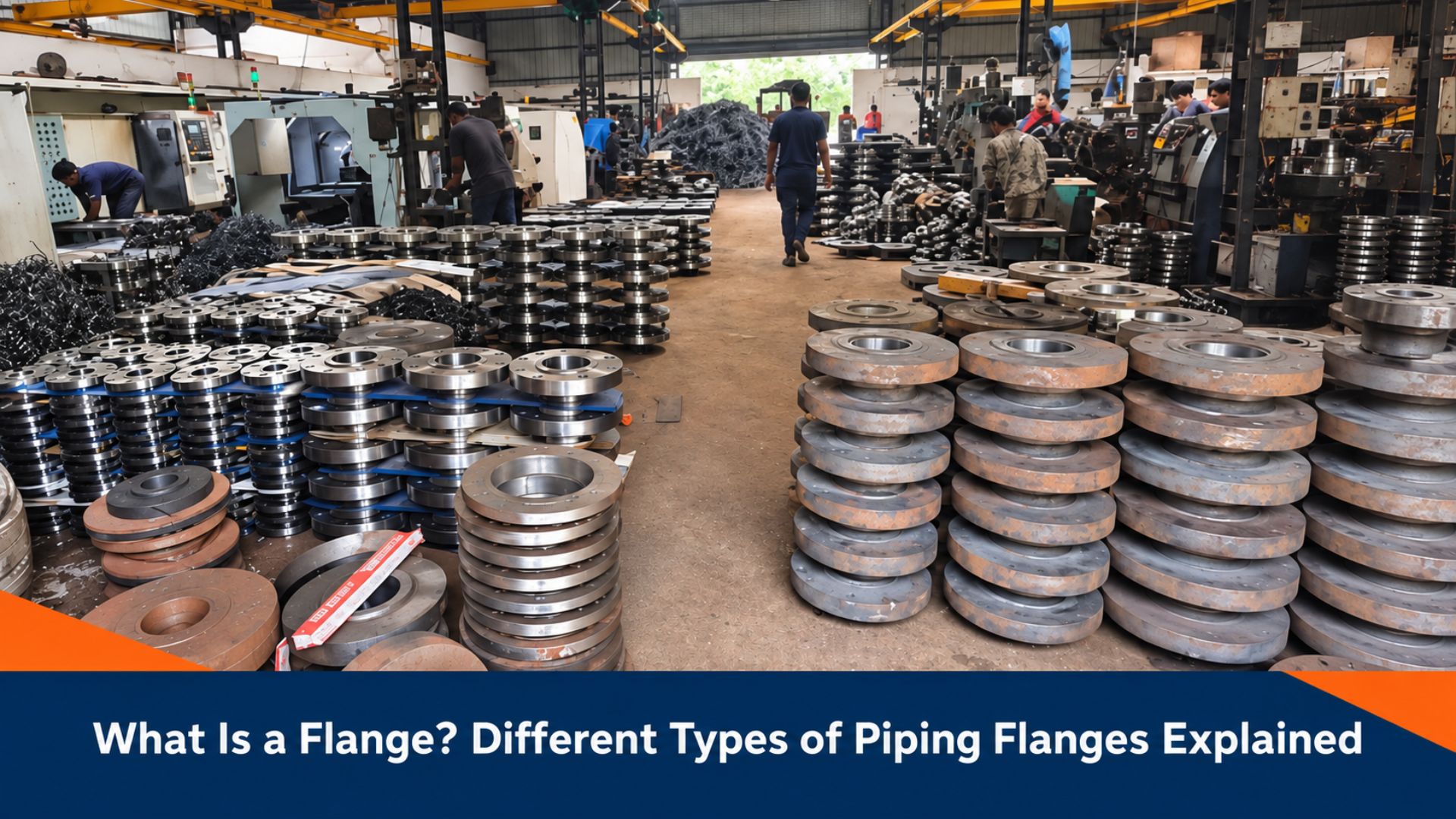
Flanges: Forging and Machining
Industrial flanges are commonly produced from suitable forged material, followed by heat treatment and machining. Their suitability depends on the material grade, pressure class, dimensions and applicable product standard.
Our flanges are forged, heat-treated and machined in-house. Our company offers carbon steel, stainless steel, alloy steel, duplex and other specified material options.
For these products, the forging process and material specification are more relevant than simply classifying the material as hot-rolled or cold-rolled.
Butt-Weld and Forged Fittings
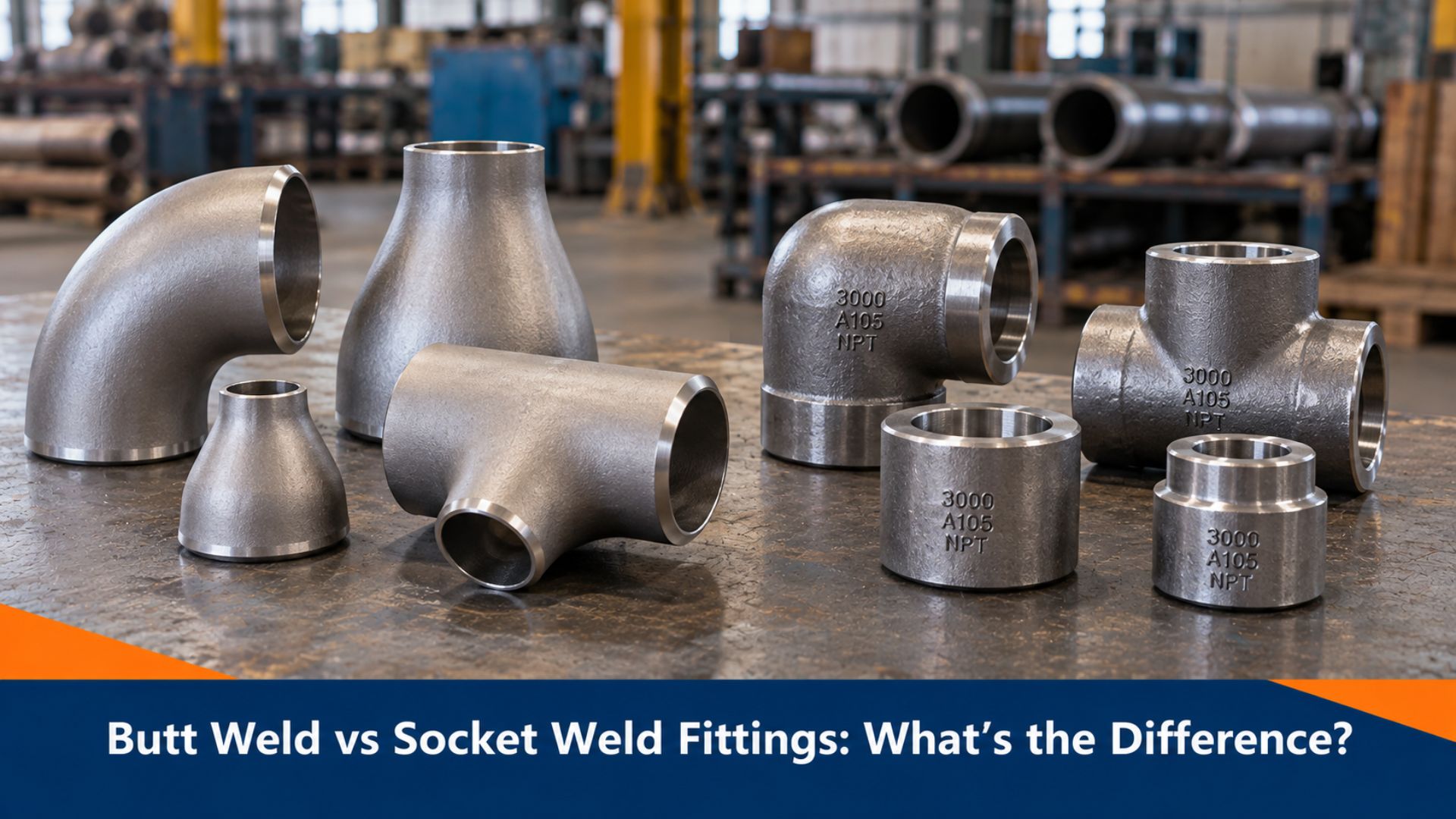
Elbows, tees, reducers and other butt-weld fittings may be manufactured from seamless or welded starting materials, depending on the product and specification. Forged fittings follow a different manufacturing route involving forging and machining.
We supply both seamless and welded butt-weld fittings, while our forged fittings include socket-weld and threaded types. The applicable material grade and manufacturing requirements determine the appropriate route.
Fabricated Spools, Tanks and Vessels
Hot rolled plate can be used in fabricated products where the approved design permits it. The plate may be cut, rolled, fitted and welded to create tanks, vessels and other assemblies.
We manufacture piping spools, storage tanks, pressure vessels and modular skids to applicable codes and customer drawings. Material grade, thickness, weldability, forming requirements and inspection criteria must all be considered during specification.
Hot Rolled Sheet Metal vs Cold Rolled Sheet Metal
Hot rolled sheet metal is often suitable where economical material production and further fabrication are priorities. Cold rolled sheet metal is generally preferred when smoother surfaces and tighter thickness tolerances are required.
Neither option should be selected based on appearance alone. For pressure equipment or demanding industrial service, the specified material grade and applicable design requirements take precedence.
It is also important to distinguish sheet and plate from forged stock, pipe and finished fittings, as each product form follows its own manufacturing and inspection requirements.
How To Choose The Right Steel For Your Application
Before selecting a material, consider these factors:
- Application: Identify whether the requirement involves sheet metal, structural work, forging, piping or pressure equipment.
- Material grade: Verify the required chemical composition and mechanical properties.
- Dimensions: Account for thickness tolerances, machining allowances and finished dimensions.
- Operating conditions: Consider pressure, temperature, mechanical loading and corrosion exposure.
- Standards and documentation: Confirm the applicable material specification, product standard and traceability requirements.
For industrial piping systems, the material must remain suitable throughout manufacturing and service. The rolling process alone cannot establish compliance or performance.
Conclusion
Hot rolled and cold rolled steel serve different manufacturing needs. Hot rolling is widely used for plates, bars and structural products, while cold rolling offers improved surface finish and dimensional control. Neither process alone determines the quality or suitability of a finished component.
For flanges, pipe fittings and fabricated assemblies, material grade, manufacturing route and applicable specifications matter most.
At KAFCO Asia, we manufacture and supply industrial flanges, butt-weld fittings, forged fittings and fabricated assemblies. If you require stainless steel tube and fittings in the USA, contact our team with your material grade, dimensions, applicable standards and service requirements to discuss a suitable solution.
Frequently Asked Questions
Can hot rolled steel be cold rolled later?
Yes. Hot rolled steel is commonly used as the starting material for cold rolling. The additional processing improves dimensional accuracy and surface finish, although further treatment may be required to achieve specific mechanical properties.
Does cold rolling improve corrosion resistance?
Not inherently. Corrosion resistance primarily depends on chemical composition, surface condition and the operating environment. A smoother surface does not make carbon steel equivalent to corrosion-resistant stainless steel.
What is the difference between hot-rolled and forged steel?
Hot rolling shapes steel through rollers, while forging uses compressive force applied by hammers or presses. These processes produce different material forms and characteristics and are selected according to component requirements.
Why is material traceability important for pipe fittings?
Traceability connects a component to its material identification and inspection records. It helps verify that the supplied product matches the specified grade and documentation requirements, particularly in critical industrial systems.